Why Is Analytical Market Research Important for Business Growth?

Analytical market research is more than collecting survey responses or reading industry reports. It is the structured process of gathering, interpreting, and applying data to drive measurable business growth. Companies that rely on assumptions often struggle with inconsistent performance, while organizations that use analytical insights make confident, revenue-focused decisions. Increasingly, businesses rely on data engineering consulting services to ensure that the data driving these insights is accurate, scalable, and well-structured, often aligned with a robust data maturity model.
By combining qualitative insights with quantitative data, analytical market research helps businesses understand customer behavior, forecast demand, reduce uncertainty, and improve profitability. In today’s competitive landscape, growth is no longer about guesswork but it is about precision.
What Is Market Research?
Market research is the systematic collection and analysis of data related to customers, competitors, and overall market conditions. It includes qualitative methods such as focus groups and in-depth interviews, and quantitative methods such as surveys, statistical modeling, and performance tracking.
Analytical market research goes a step further. It uses advanced data techniques like segmentation analysis, predictive modeling, behavioral analytics, and performance benchmarking to uncover patterns that directly influence business outcomes. Instead of just presenting data, it translates insights into actionable growth strategies.
The Role of Market Research in Driving Business Growth
1. Understanding Your Target Market
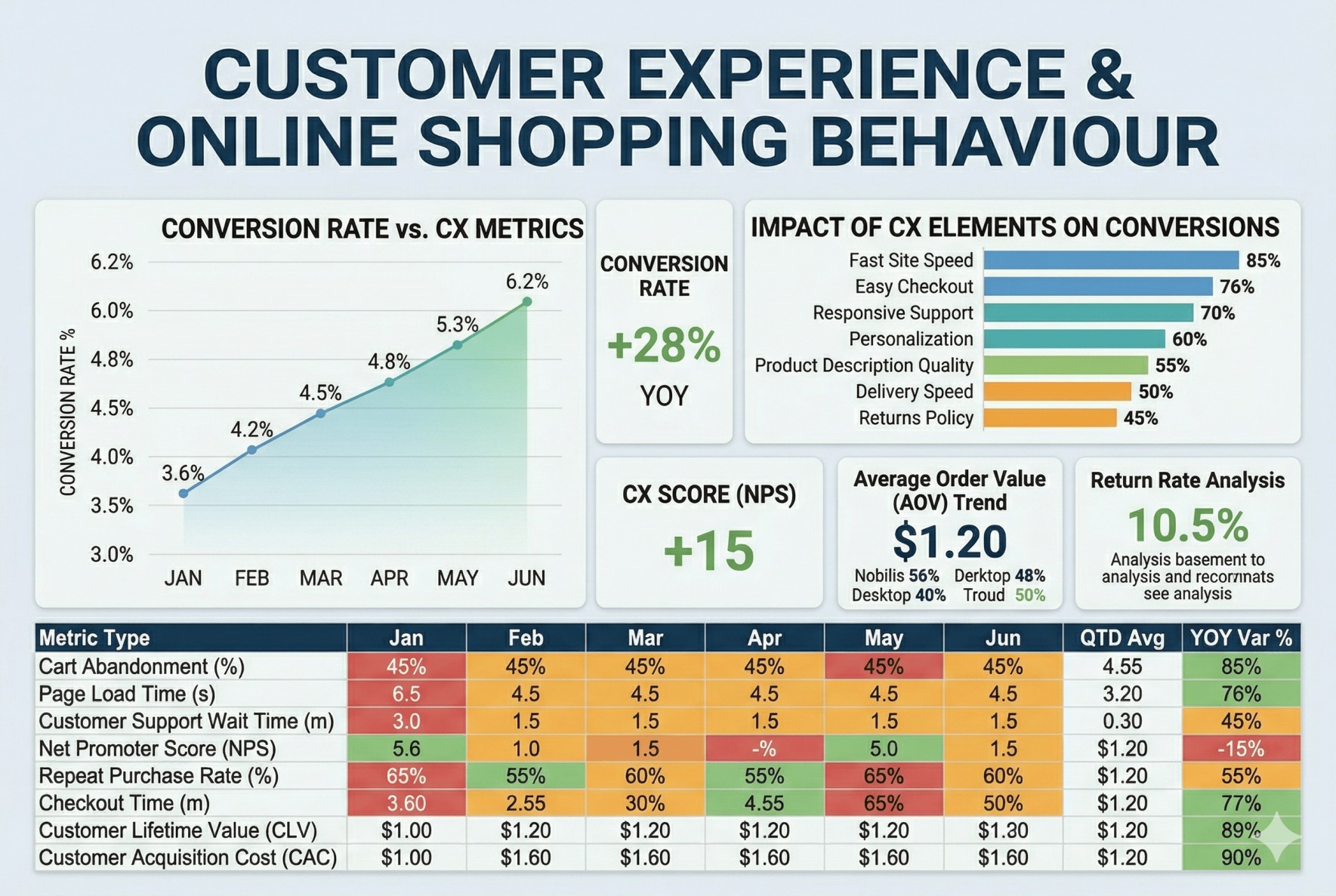
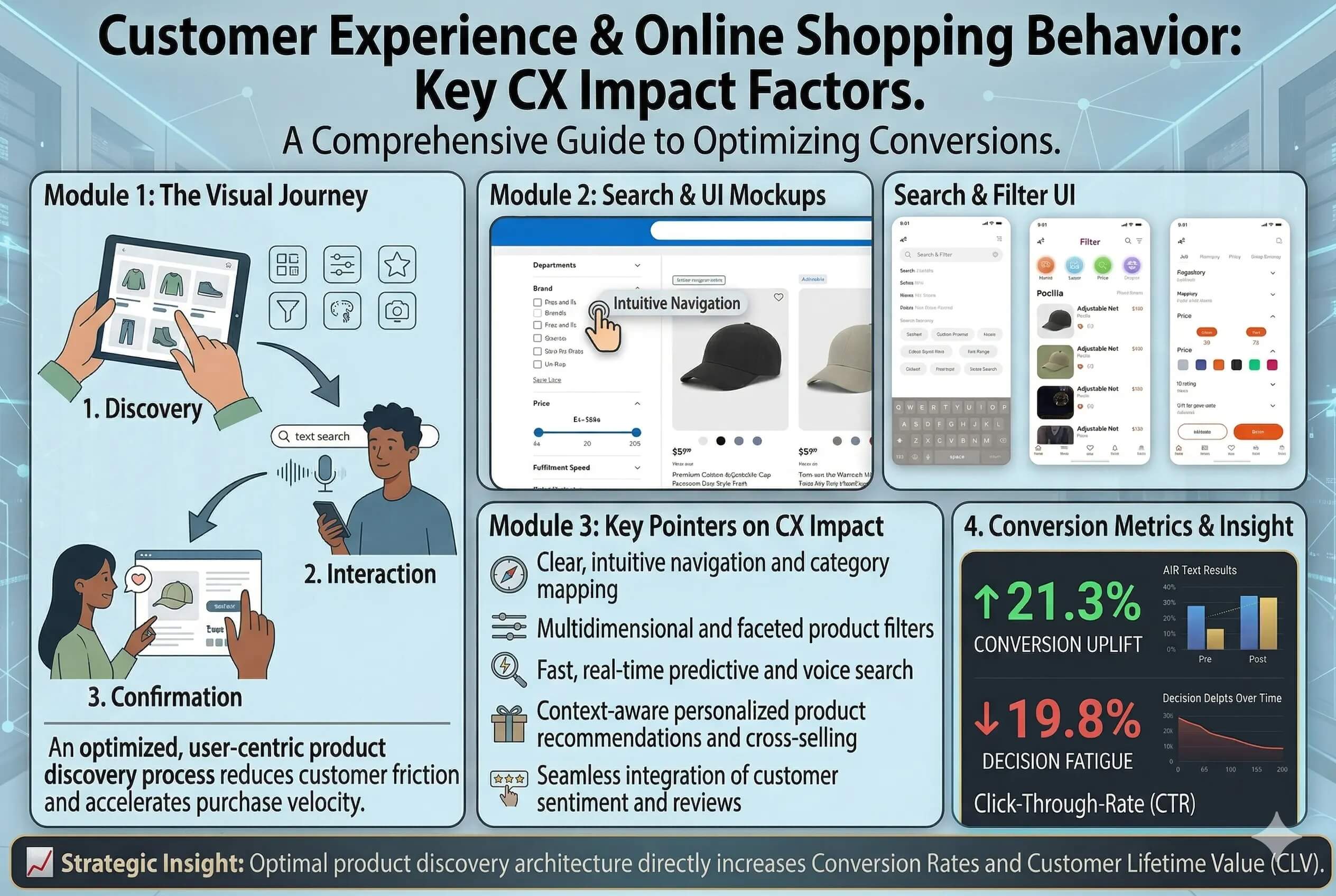
Businesses grow faster when they clearly understand who their customers are. Analytical market research identifies demographics, psychographics, purchase triggers, and decision-making patterns. This enables precise targeting, personalized messaging, and improved conversion rates.
2. Identifying Growth Opportunities
Data-driven opportunity mapping helps companies uncover unmet customer needs, emerging trends, and untapped geographic markets. Instead of experimenting blindly, businesses can invest in areas with proven potential.
3. Enhancing Marketing Strategies
Marketing effectiveness improves significantly when backed by research. Analytical insights help optimize budget allocation, messaging frameworks, channel selection, and refine the overall marketing campaign workflow, resulting in stronger ROI.
4. Mitigating Risks
Every business decision carries risk. Market research reduces uncertainty by testing product concepts, pricing models, and positioning strategies before large-scale investment. Predictive insights allow companies to anticipate market response.
5. Understanding Competitors
Competitive analysis highlights gaps in the market, competitor strengths and weaknesses, and positioning opportunities. Analytical benchmarking ensures businesses remain differentiated and strategically aligned.
6. Improving Customer Satisfaction and Retention
Retaining customers is more cost-effective than acquiring new ones. Research-driven feedback analysis, journey mapping, and satisfaction tracking identify friction points and help improve loyalty and lifetime value.
7. Supporting Data-Driven Decision-Making
Executive teams rely on structured insights for long-term planning. Analytical market research provides dashboards, reports, and performance indicators that guide strategic decisions with clarity.
8. Staying Adaptable in Changing Markets
Consumer behavior, regulations, and technologies constantly evolve. Continuous research tracking allows businesses to respond proactively to market shifts rather than reacting too late.
9. Scaling Business Operations
Before expanding into new regions or segments, companies must validate demand, pricing sensitivity, and operational feasibility. Analytical research ensures scalable and sustainable growth.
How to Conduct Effective Market Research?
Any business wanting to carry out effective analytical market research to get smart data needs to follow below process steps :
1. Defining Objectives
Clear research objectives determine the quality of outcomes. Businesses must identify whether they aim to measure brand awareness, test product concepts, evaluate pricing strategies, or assess customer satisfaction.
2. Choosing the Right Method
The method should align with objectives. Quantitative research offers measurable insights, while qualitative research reveals deeper motivations. Often, a hybrid approach provides the most comprehensive understanding.
3. Analyzing Data Strategically
Data becomes valuable only after analysis. Statistical tools, segmentation frameworks, cross-tabulation, and predictive modeling transform raw information into actionable insights.
4. Implementing Findings
The true impact of analytical market research lies in execution. Insights must influence marketing campaigns, product development, pricing adjustments, and strategic planning to drive revenue growth.
How Hansa Research Helps Your Business Drive Smarter Growth with Market Insights?
Hansa Research being one of the best market research company in India combines deep qualitative expertise with advanced quantitative analytics to deliver meaningful business intelligence. With capabilities across customer experience research, competitive intelligence, brand tracking, and global data collection, Hansa supports businesses in making informed and confident decisions.
By transforming complex datasets into strategic recommendations, Hansa enables organizations to improve marketing effectiveness, enhance customer retention, identify growth opportunities, and scale operations efficiently.
When insights are structured, actionable, and aligned with business objectives, revenue growth becomes predictable rather than accidental.
Frequently Asked Questions
1. Why is marketing research important?
Marketing research provides clarity and reduces uncertainty. It ensures that business decisions are guided by evidence rather than assumptions, improving profitability and competitive advantage.
2. What are the four main purposes of market research?
The primary purposes are understanding customers, analyzing market demand, evaluating competitors, and supporting strategic decision-making.
3. What are the key benefits of market research?
Benefits include risk reduction, improved targeting, optimized marketing spend, enhanced customer satisfaction, and stronger revenue forecasting.
4. What is the greatest benefit of market research?
The greatest benefit is informed decision-making. Businesses gain confidence and clarity, reducing costly mistakes and improving long-term growth outcomes.
5. How does market research help businesses grow?
Businesses can identify niche markets, understand local customer behavior, optimize limited budgets, and make smarter expansion decisions using data-driven insights.