Consumer Behaviour in the Retail Industry: Trends & Strategy (2026)
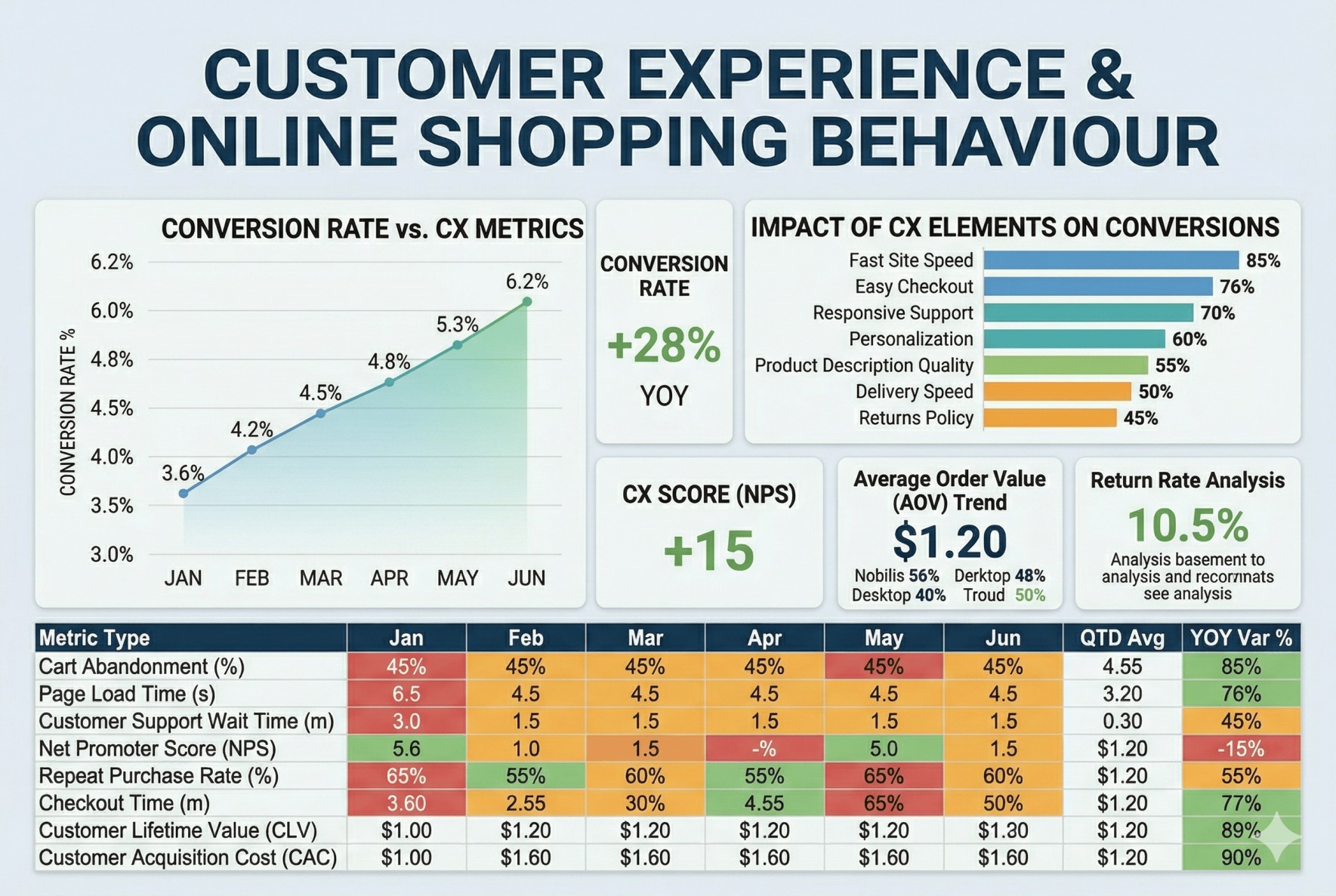
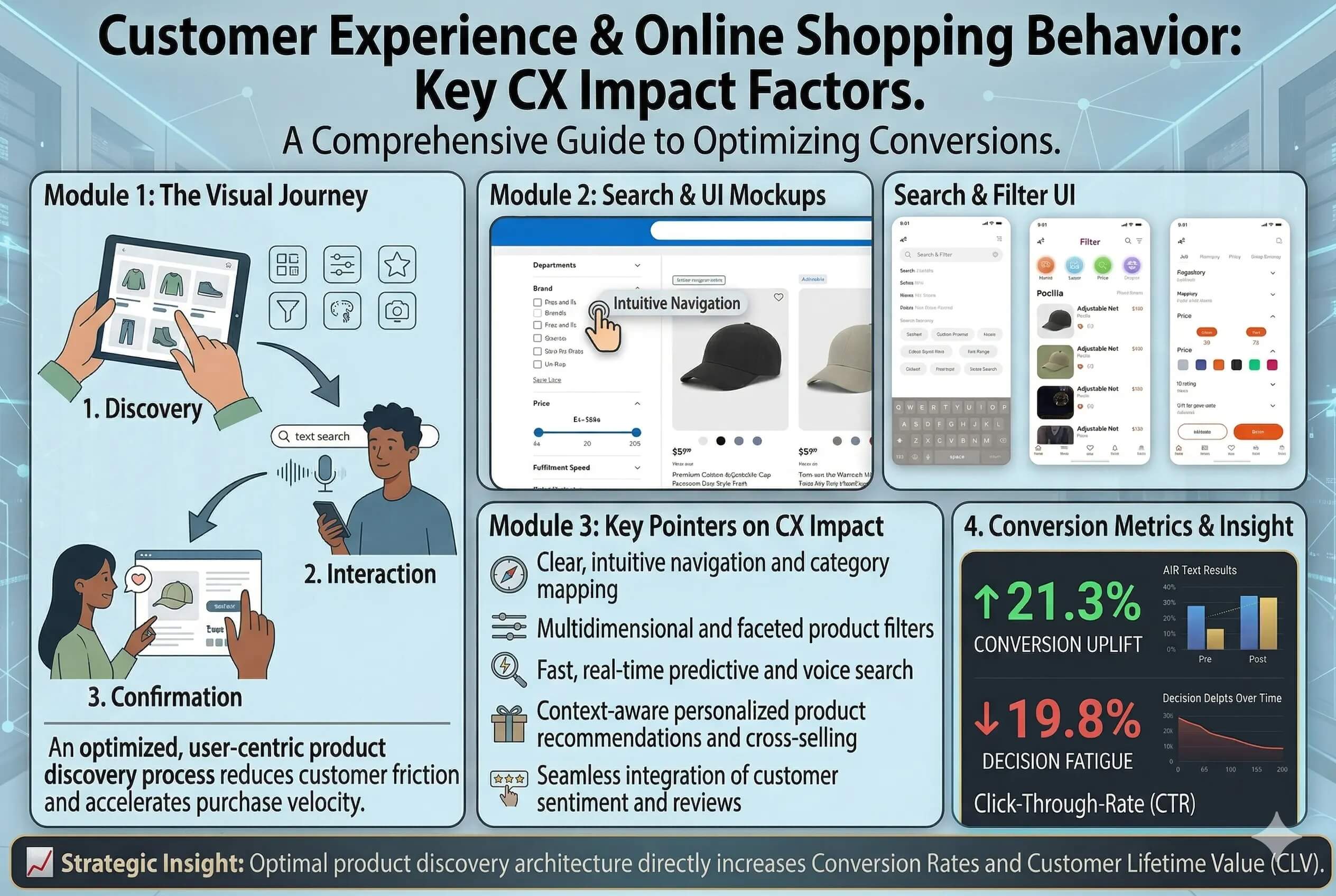
In today’s world of retail, it’s important to know how people think, compare, and make choices. In 2026, most customers don’t follow a straight path when they buy something. Instead, they look at several platforms, verify different sources, and confirm trust signals before deciding whether or not to buy.
Research shows that more than 70% of buyers interact with more than one touchpoint before completing a purchase. This makes the decision-making process more complicated than it has ever been. This shift has made retail business intelligence solutions essential for understanding complex customer journeys and turning data into actionable insights.
Brands that know not only what customers buy, but also why they hesitate, compare, and finally convert consistently outperform their competitors. By leveraging advanced analytics and understanding the data warehouse benefits such as centralized data, faster reporting, and better decision-making retailers can gain a complete view of customer behavior across channels.
Retailers are no longer just competing on price or the number of products they provide in 2026. They are competing on:
- Relevance (offers that are timely and tailored to you)
- Convenience (how easy it is to buy from different places)
- Trust (reviews, openness, and reliability)
- Experience (before, during, and after the purchase)
What consumer behaviour really means in retail
Consumer behavior in retail is how people find, judge, buy, and react to products and shopping experiences. A lot of customers say that pricing is their key concern, yet statistics shows that 60–70% of buying decisions are based on feelings and experiences, such trust, convenience, and how people see the brand.
There are many levels that affect retail decisions:
- Functional triggers: cost, availability, and product features
- Emotional triggers: Include trust, comfort, and familiarity with the brand.
- External influence: Reviews, recommendations, and a sense of urgency
For example, a consumer may go into a store intending to buy only one item, but ends up buying more than that as a result of how the store is arranged, the offers available, or where the items are placed. Similarly, online shoppers often abandon their carts as a result of, for example, hidden charges or a difficult checkout process.
This, therefore, shows that the buying behavior does not happen in a straight line. There are a number of decisions that influence it along the way.
The biggest shift in 2026: omnichannel retail behaviour
There is no longer a clear divide between online and offline shopping. Customers can easily switch between platforms before they buy something.
A normal trip includes:
- Finding products on social media
- Comparing on websites or in stores
- Visit the store in person to confirm
- Final purchase through a mobile app or website
This trend shows how omnichannel retail works, with more than 73% of shoppers using more than one channel before making a purchase.
Now, customers expect:
- Prices that are the same on all platforms
- Stock availability in real time
- Easy returns and exchanges
- A single brand experience
Even little variations, such prices that don’t match or stock that isn’t available, can make people lose faith and stop buying.
Why today’s retail customer is harder to win
People who buy things today are more careful and know more than before. They look at reviews, compare items, and check claims before making decisions because it’s easier to get information.
Important patterns in behavior:
- More than 80% of people who shop do research before they buy.
- The percentage of cart abandonment is between 65% and 75%.
- Most of the time, customers look at at least three brands before buying.
Expectations have also gone up at the same time:
- Prices that are clear (no hidden fees)
- Quick and dependable shipping
- Support and easy returns
Even if this is a logical thing to do, emotions nevertheless play a big influence. People are more likely to buy from brands that seem reliable, uncomplicated, and easy to work with.
To be successful in retail today, you need to find a balance between rationality (pricing, features) and emotion (trust, ease, experience).
The role of data in shaping retail strategy
Retailers currently use retail analytics a lot to learn about how people act and do better. Data helps find:
- Where consumers leave
- Which products catch people’s attention
- What makes people convert
For example:
- There is a lot of traffic but not many conversions on the product page.
- Lots of people coming into the store but not buying anything: difficulties with the layout or the experience
- People who only buy once and don’t come back: bad experience after the sale
Retailers who use analytics well can see conversion rates go up by 15 to 25 percent, but statistics alone doesn’t explain everything.
Why research matters more than reports
Analytics tells you what’s going on, whereas research tells you why it’s going on.
Qualitative research techniques, including interviews, observations, and feedback, uncover emotional insights such as perplexity, hesitancy, or trust deficits.
Quantitative research approaches like surveys, conversion tracking, and purchase analysis assist confirm patterns on a large scale.
The best ways to sell things in stores use both methods:
- Data for finding patterns
- Study to figure out behavior
This combination helps brands make better decisions that are more focused on the customer.
Personalization works only when it feels useful
Personalization is no longer a choice, but it must be done with care. Customers want things that are relevant, not things that get in the way.
Personalization that works includes:
- Recommendations for products that are relevant
- Reminders that come at the right time
- Offers based on the situation
This is where dividing customers into groups is really important. Not all consumers act the same way, and treating them all the same makes things less effective.
For example:
- Customers that are new need to be able to trust and understand.
- Loyalty perks work for repeat customers.
- Customers that care about price wait for sales.
Personalization tactics that are done well can boost sales by 10% to 30%.
Experience has become part of the product
In today’s stores, the experience is just as crucial as the product. Customers think about:
- How easy it is to use the website
- Speed of checkout
- Communication about delivery
- How to return things
- Support for customers
Customers will leave if they have a bad experience, but a seamless and quick trip will keep them coming back and buying more.
After one terrible experience, almost 30% of customers cease interacting with a business. This makes optimizing experiences very important.
Social proof is now a silent salesperson
People trust other customers more than brands. Reviews, ratings, and material made by users are now very important when making decisions.
Important points:
- Before buying, 90% of users check reviews.
- Products with good reviews get a lot more sales.
Proof from other people:
- Lessens doubt
- Makes people trust you
- Speeds up the process of making decisions
You can’t do without trust anymore; it has a direct effect on sales.
Trends retailers should watch in 2026
Retail behavior is still changing, and some apparent trends are starting to show up:
- Convenience is becoming the most important factor in making a purchase.
- Mobile-first shopping is the most common way to find and buy things.
- Value now means more than just price; it also means reliability, quickness, and service.
- Customers would rather hear the truth than hear big boasts.
A practical strategy for retailers
Retailers who want to grow in 2026 should focus on:
- Using data and observation to learn how customers act
- Finding and getting rid of points of friction
- Bringing together experiences online and offline
- Using segmentation to make things more personal
- Testing and developing strategies all the time
Even modest changes that make things easier to use and more enjoyable can boost sales by 10% to 20%.
Final thoughts
The companies that truly understand their customers are the ones that will fare well in the future. It is not just about how good the product is or how cheap it is, but also about how well businesses can fulfill customers’ needs, wants, and feelings.
Retailers who use a combination of retail analytics, qualitative/quantitative research, and consumer segments will be able to adapt and thrive in an ever-changing market.
In the end, businesses can offer better experiences and keep growing if they know how customers shop.
FAQs on Consumer Behaviour
1. What is consumer behaviour in retail industry
Consumer behavior in the retail business relates to how people look for, compare, and buy things. This includes both emotional and practical considerations that affect their choices.
2. Why is consumer behaviour important in retail?
Retailers can make the customer experience better, get more sales, keep customers from leaving, and establish long-term loyalty by learning about how customers behave.
3. What is omnichannel retail behaviour?
When shoppers use more than one channel, such social media, internet, and physical stores, before making a purchase, this is called omnichannel retail behavior.
4. How does retail analytics improve business performance?
Retail analytics helps find trends in customer behavior, keep track of performance measures, and improve strategies, which leads to more sales and better decisions.
5. What are qualitative and quantitative research methods in retail?
Qualitative approaches look at how customers feel and what makes them buy, while quantitative methods look at statistics that can be measured, such conversion rates and purchase trends.
6. What is customer segmentation in retail?
Customer segmentation is when you group consumers based on things like their behavior, preferences, or demographics so that you can give them more personalized service.
7. How does personalization impact retail sales?
Showing clients items, deals, and recommendations that are relevant to them is a great way to personalize your business and get them to buy more.